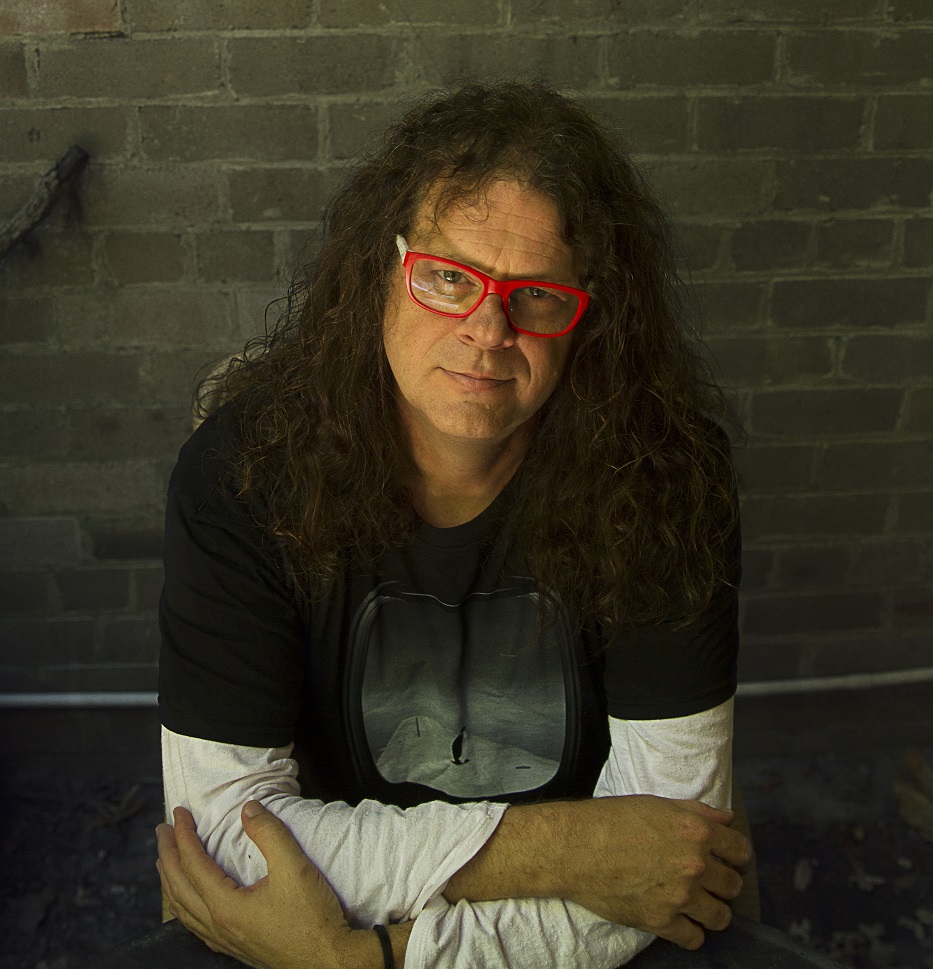
Dean Yates
Mediator & Workplace Conflict Coach
Many people avoid dealing with conflict despite the stress caused by deciding not to address the situation. Dean Yates help people engage and manage conflict so they can focus on what matters and improve their mental health.
Quick Contact
As a speakers bureau, we handle professional engagements for our talent and are unable to respond to personal requests on their behalf.
Dean Yates is the author of Line in the Sand, a memoir published in 2023 that has been acclaimed by mental health and trauma experts around the world.
Dean was a longtime journalist and bureau chief for the international news agency Reuters. He covered some of the most traumatic events of the past 25 years, including the Bali bombings, the Boxing Day tsunami in Indonesia’s Aceh province and the Iraq War. He was the Reuters bureau chief in Iraq, responsible for 100 people, when a U.S. Apache gunship killed two Reuters journalists in Baghdad on July 12, 2007. Julian Assange published footage of that attack in 2010, shocking millions of people. Dean’s last role at Reuters was to create and roll out a mental health strategy for the company’s 2,500 journalists. It was a unique role in global media. After leaving Reuters in early 2020, Dean ran his own workplace mental health consultancy. He helped persuade the Tasmanian government to introduce legislation that made PTSD a presumptive work-related illness for state workers, including first responders.
Dean is a frequent public speaker on mental health and trauma, including his three admissions to the Ward 17 psychiatric unit in Melbourne from 2016-2018 where he was treated for PTSD and moral injury. Dean’s presentations on moral injury – recently recognised in the DSM-5-TR — have won rave reviews from work health and safety officers, clinicians and people with lived experience.
His journey was featured on ABC’s Australian Story in 2023. Today, Dean is an accredited workplace mediator and conflict coach for Positive Solutions in Tasmania.
Video
An Introduction to moral injury
Moral injury is a wound to the soul, a condition that shatters people’s sense of self, their identity, their views of others and sometimes the world. Moral injury has generated growing interest in military circles, first responder communities, healthcare, social assistance, teaching and other frontline roles because it explains the psychological and spiritual impact from transgressions of the self, others or organisations and governments that don’t align with well-established trauma responses such as PTSD.
Dean’s presentation is geared toward frontline occupations; those in leadership positions (govt, NGO or private sector); occupational health and safety, HR & regulators; and clinical & spiritual care teams. Dean talks about his own experience of moral injury; similarities and differences with PTSD; what recognition of moral injury in the DSM-5-TR in Sept 2025 means in practice; moral injury and the workplace; & moral injury prevention and healing.
Healing from trauma and finding meaning in life
Dean takes his audience to some of the biggest news events of the last 25 years. He was one of the first foreign journalists on the scene of the Bali bombings. He covered the Boxing Day tsunami in 2004 that killed 166,000 people in Indonesia’s Aceh province. Two of Dean’s staff were killed in Baghdad in 2007 in a U.S. gunship attack, an event known as Collateral Murder after Julian Assange and WikiLeaks released footage of the deadly incident. A decade later, Dean unravelled. He takes his audience inside the Ward 17 psych unit in Melbourne, where he spent 77 days and nights over a two-year period with veterans and first responders. Dean healed because of his obsession to get better, the support of his family and a mental health system that worked for him.